Buongiorno, cognoscenti! Welcome to the Venice Biennale, where the prosecco flows like tears at a funeral, the critiques are sharper than a gondolier’s oar, and the “art” is apparently just another invoice waiting to be laundered. Enter stage left: the spectacular train-wreck that was supposed to be South Africa’s 2026 pavilion. What was billed as a noble mourning ritual by artist Gabrielle Goliath – all black feminist love, remembrance, and repair – turned into the geopolitical equivalent of a bad blind date: someone else’s agenda showed up wearing South Africa’s dress and tried to stiff the bill.
Aikona! Not on Minister Gayton McKenzie’s watch.
The Artistic Lavanderia: Narrative Laundering, Petrodollar Edition
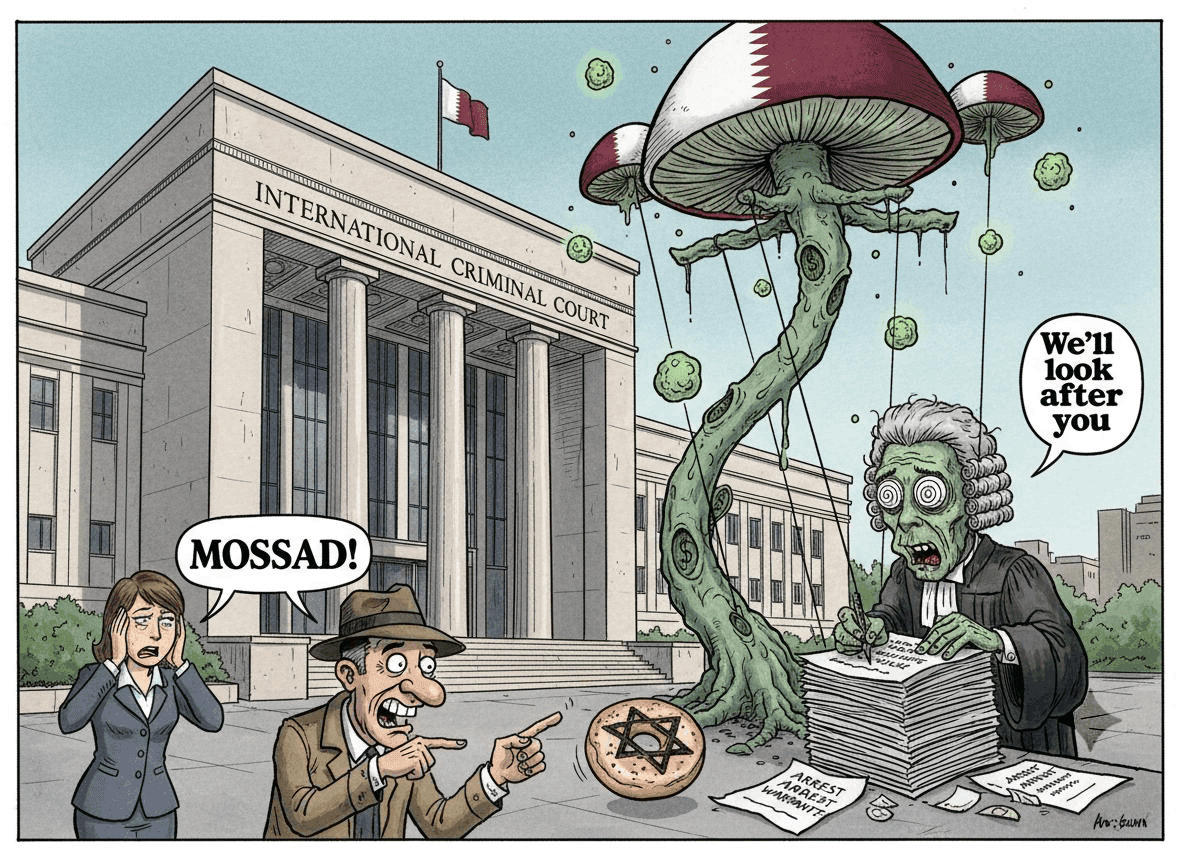
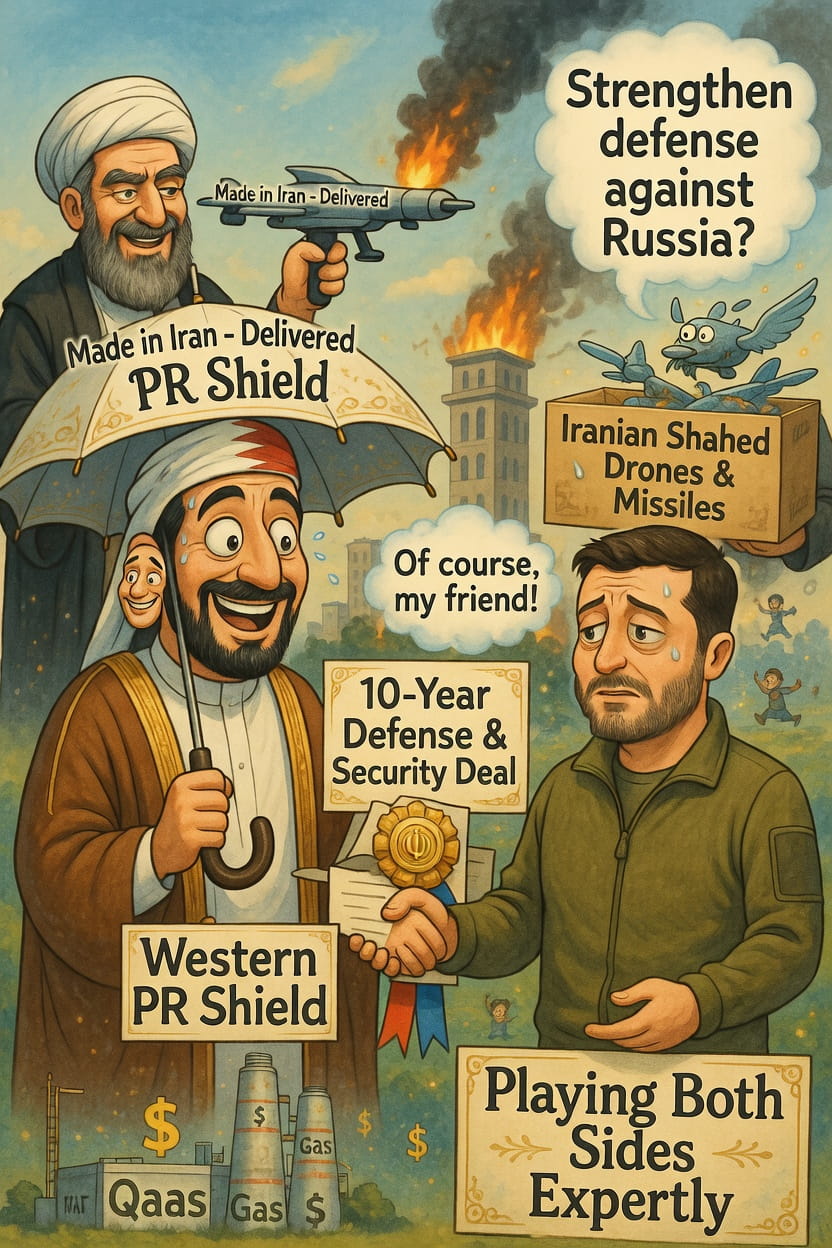
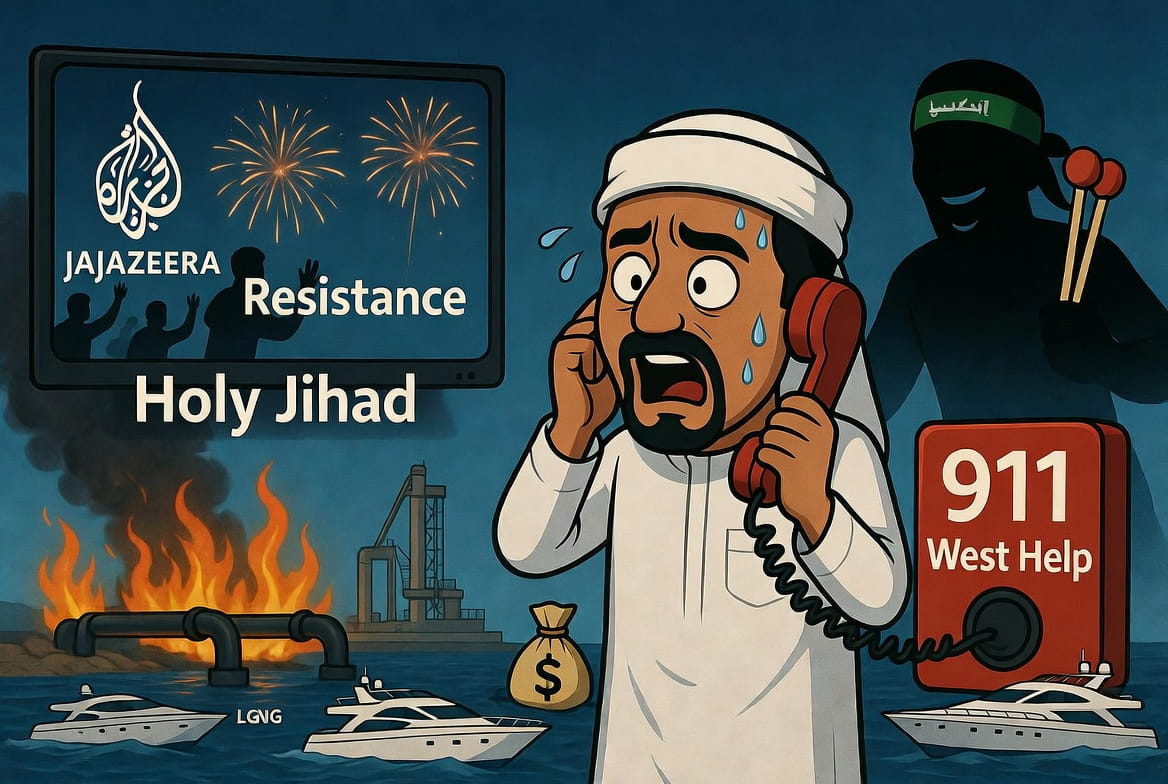
Listen, in the Doha Dictionary we call this Narrative Laundering – taking something toxic, running it through the prestige cycle of Western institutions, and pulling out a sparkling “balanced perspective” that somehow always ends up smelling faintly of gaslighting. Here, Qatar (the “unnamed foreign power” everyone’s too polite to name until the receipts drop) allegedly didn’t just sponsor; they pre-arranged to buy the artworks post-Biennale like it was Black Friday at the souq. Why scream your own propaganda through Al Jazeera when you can whisper it through a South African performance piece and let the cognoscenti applaud their own virtue while cashing the fattura?
Minister McKenzie, channeling pure South African no-nonsense grit, basically said: “If you’ve got the cash and the grudge, rent your own damn pavilion – we’ve got one in the Giardini with your name on it already, bru.” But noooo, that’s too straightforward. Too on-brand. Instead, the play is to borrow someone else’s mask because your own face is a little too... recognizable. A country rich enough to build floating soccer stadiums and buy half of London’s skyline suddenly needs to cosplay as South Africa to mourn Gaza? That’s not soft power, that’s soft cosplay. And the mask? Pre-sold souvenir for a petrodollar prince.
The OSINT Receipts Hit Harder Than a Venetian High Tide
Here come the mic-drop moments, amici. Diplomatic whispers, FARA-adjacent trails, and straight-up ministerial statements point straight to Doha. The artworks weren’t just getting exhibited; they were getting pre-purchased like a commission from a very generous “collector” who happens to host Hamas brass in five-star villas. When the minister asks why this mystery sugar daddy doesn’t fund their own message instead of hijacking South Africa’s slot, the silence is louder than a Biennale opening night without canapés. Those are your OSINT Receipts, folks – not conspiracy threads, just boring old public disclosures dressed in gala black.
Idea Pathogens, Biennale Style
Of course the Western art world lost its collective mind. “Censorship!” they shriek, clutching their frizzante prosecco and fainting dramatically onto chaise longues. Chronic Ostrich Effect in full bloom: heads buried so deep in Lido sand they can’t see the petrodollar footprints leading right to the pavilion door. These high priests of “artistic freedom” are suddenly blind to the fact that the “freedom” in question comes with strings – or rather, wire transfers – attached. They scream about expression while ignoring how Idea Pathogens get injected: one “global solidarity” piece at a time, reframing complex wars into simplistic morality plays where nuance goes to die and Qatar’s agenda gets a standing ovation.
The Ostrich Elite would rather sip spritz and virtue-signal than admit their precious pavilion was about to become a proxy laundry for a regime that can’t sell its own story without renting someone else’s flag.
Who Paid for the Epiphany? (Now With Extra Spice)
This isn’t about hating artists or silencing mourning – Goliath’s work sounds heavy, thoughtful, rooted in real pain. But when the epiphany comes pre-bought, when the “radical love” has a luxury villa sponsor waiting in the wings, it’s no longer art; it’s a receipt with better lighting. Next time you swoon over a “brave” social-justice masterpiece at a global jamboree, skip the catalogue essay and check the credits. Better yet: follow the money. Because in this Tangentopoli of soft power, the most important question isn’t “what does it mean?” – it’s who the hell paid for the epiphany?
And when the answer comes wrapped in Qatari billions, pre-purchased canvases, and a borrowed national identity?
That’s Qatarted!